Camp Food, Honestly
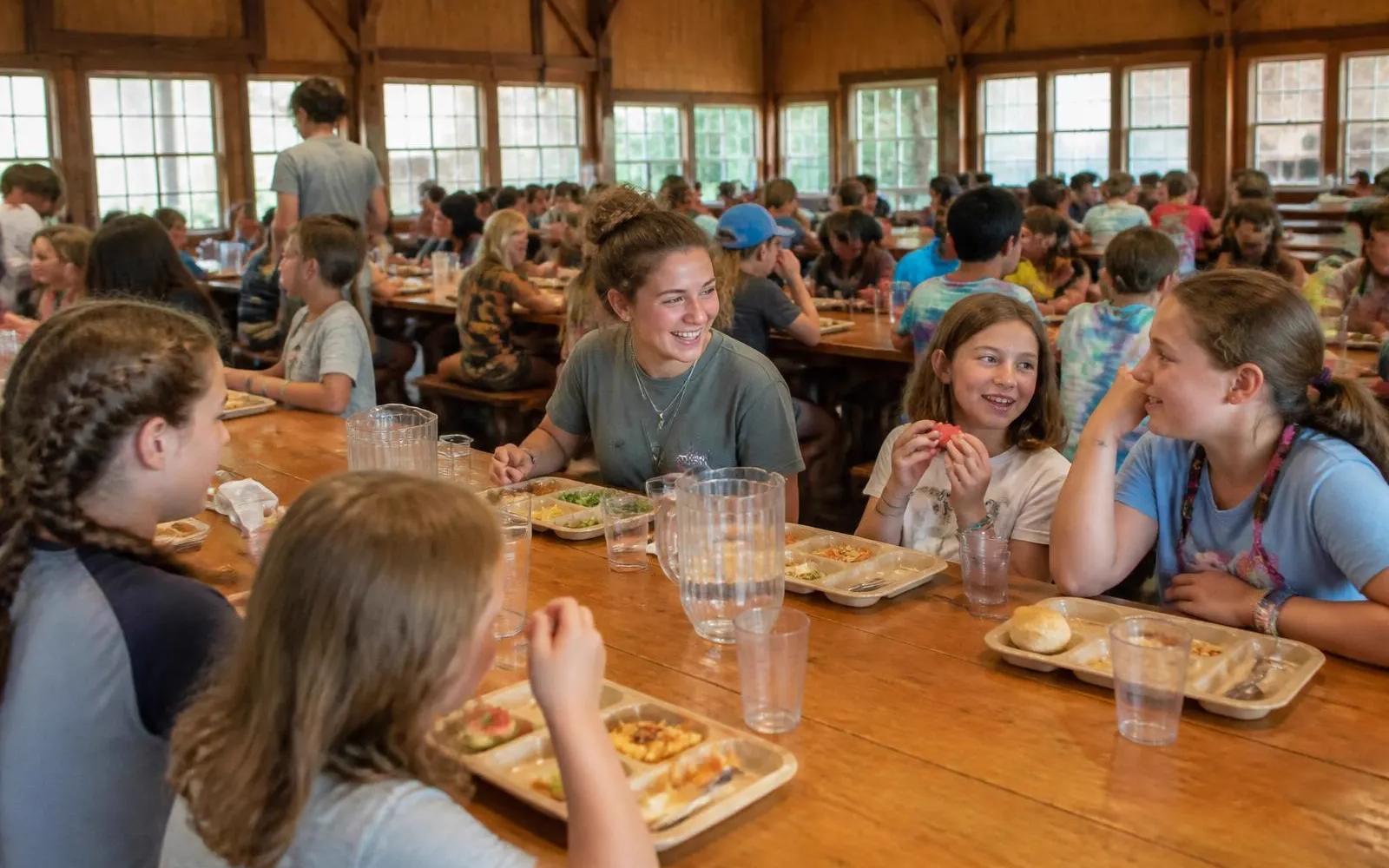
Nobody puts the mess hall on the brochure. But it might be the hardest-working room at camp — and the one campers remember longest. A look at the strange, high-stakes, weirdly emotional business of feeding a few hundred kids three times a day.
Ask a grown adult about the camp they went to as a kid, and somewhere in the first five minutes, they'll mention the food. Not the cabin. Not the lake. The food. The bug juice. The mystery casserole on Thursdays. The one cook everybody loved. Camp food lives in memory with an intensity that has nothing to do with whether it was any good — and everyone who runs a camp knows it, which is exactly why the mess hall keeps so many directors up at night.
Here's the thing nobody tells you when you take the job: feeding camp is one of the hardest operational problems you own, and it hides in plain sight. It's three hard deadlines a day, every day, no snow days, no rain checks, for a customer base that is simultaneously the pickiest and the most physically active group of humans on earth. A nine-year-old will burn four thousand calories at camp and then refuse to eat anything that has touched a vegetable. Both of those things are true at once, and the kitchen has to make it work anyway.
The mess hall is a logistics machine wearing a dining room costume
Step back from the trays and the noise and what you've got is a small restaurant running at a volume most restaurants never attempt, on a schedule most restaurants would refuse. Hundreds of covers, three seatings a day, served in a window measured in minutes, by a staff that may have learned the job last Tuesday. There is no soft open. Week one is the same volume as week eight.
The camps that run food well treat it like the operation it is, not the afterthought it pretends to be. They plan menus around what actually gets eaten, not what looks good on a parent newsletter. They build in the redundancy that a no-show delivery or a broken walk-in demands, because both of those will happen, probably in July. And they protect their kitchen staff fiercely, because a head cook who knows your camp is worth their weight in gold and almost impossible to replace mid-season.
The unglamorous truth: the single biggest lever on camper happiness in that room isn't gourmet anything. It's throughput. A line that moves, food that's hot, enough of it, on time. Get that right and you've won most of the battle before flavor even enters the conversation.
The allergy binder is the most important document at camp
There was a time when "dietary restrictions" at camp meant somebody didn't like tomatoes. That time is over, and any director who's been doing this a while will tell you the shift has been one of the most significant operational changes of their career — not as a complaint, but as a plain fact about the job now.
A modern camp kitchen is managing genuine medical allergies (the kind where cross-contamination is an emergency, not an inconvenience), religious and cultural requirements, vegetarian and vegan campers, and an expanding universe of family preferences, all at once, across every single meal. The binder that tracks who can eat what is, without exaggeration, a safety document. The camps that handle this well have systems — color-coded wristbands, dedicated prep zones, a kitchen lead who knows the high-risk kids by name — and they've usually built those systems the hard way, after a close call that scared everyone.
This is worth saying plainly because it's where food stops being a comfort topic and becomes a risk-management one. A camp can absorb a bland week. It cannot absorb an allergy mistake. If there's one place to over-invest in process, training, and clear communication with families, it's here.
The economics are quietly brutal
Food is one of the largest variable costs a camp carries, and it behaves differently from almost everything else on the budget. Your facilities cost is mostly fixed. Your staff cost is mostly fixed. But food scales directly with bodies and days, it's exposed to a grocery market that does whatever it wants, and it's the cost line most vulnerable to waste — every untouched tray is money in the compost.
The tension every director knows: food is simultaneously a place you're tempted to cut and a place cutting hurts you most. Trim too hard and the campers notice immediately, the staff (who eat it too) notice immediately, and the parents hear about it by Sunday. Spend without discipline and you've blown a hole in a margin that was never generous to begin with.
The camps that manage this don't have a magic trick. They have attention — they actually track what gets thrown away, they adjust portions and menus based on what week-one taught them, and they treat the kitchen budget as something to manage actively all summer rather than set once in May and pray over. The ones that struggle are usually the ones flying blind, with no real sense of their cost per camper per day until the season's over and the number is whatever it is.
What the great camp kitchens understand
The best camp food operations figured out something that sounds soft but is actually strategic: the mess hall is where culture happens. It's the one place the entire camp is together, three times a day, every day. The food is the excuse; the gathering is the point. A theme dinner, a birthday song, a cook who comes out to see the reaction to a favorite meal — these are cheap to produce and they're what a camper describes to their own kids someday.
So the move isn't to chase a five-star menu. It's to make the room work — fed, safe, on time, with a little joy folded in where you can manage it. Nail the logistics, guard the allergy process like the safety system it is, watch the economics with both eyes, and then spend your remaining energy on the small traditions that turn a feeding operation into a memory.
Nobody's going to put your mess hall on the brochure. But years from now, some grown adult is going to tell a story that starts with "the food at my camp..." — and how that sentence ends is, more than you'd think, on you.
Eat well out there.
CampBuzz covers the companies, tools, and economics of the camp industry.
Author
Maggie HollowayEditorial byline, CampBuzz
Maggie Holloway covers buyer guides and industry reporting for CampBuzz: the questions worth asking, the fine print worth reading, and the ownership changes worth knowing about before you sign. CampBuzz does not rank vendors. Some CampBuzz articles are written with AI assistance.